
Real estate, a reflection of population movements, is directly influenced by demographic changes. The increasing median age, internal migrations, growing urbanization, and fluctuations in household sizes shape the real estate landscape of tomorrow. Housing demand adapts: where young adults settle, studios and small units multiply, while aging regions see an increased need for residences suitable for seniors. Understanding these dynamics is crucial for investors, urban planners, and public policies to anticipate housing needs and promote harmonious and functional real estate developments.
Demographic changes and their influence on the real estate market
Demographic changes are a key factor in understanding the direction of the real estate market. INSEE, in its recent studies, highlights significant population growth in France, with a population increase of 15% since 2007, projected to reach 73 million by 20This growth necessitates reflection on the construction of houses and apartments to meet a demand that is reshaping over the years.
The real estate price, a sensitive economic indicator, is also directly impacted by these demographic trends. Notable regional disparities are observed, reflecting the complexity and heterogeneity of territories. For example, La Pommeraye, a locality whose demographic dynamism positively influences the local real estate sector, demonstrates the importance of location in property valuation.
Location and demand are key factors that the real estate market cannot ignore. Areas with strong economic and demographic attractiveness see an increase in rental and purchase demand, while others, with more modest demographic changes, experience stagnation or even a decline in demand. The mapping of real estate is therefore directly colored by the demographic spectrum.
Population growth challenges the housing sector regarding its capacity to innovate and adapt. The construction of houses and apartments is necessary but must also be considered in terms of energy efficiency and integration into the existing urban fabric. The responsiveness of public policies and builders to these demographic challenges is crucial so that tomorrow, the real estate map of France best aligns with the contours of its evolving population.
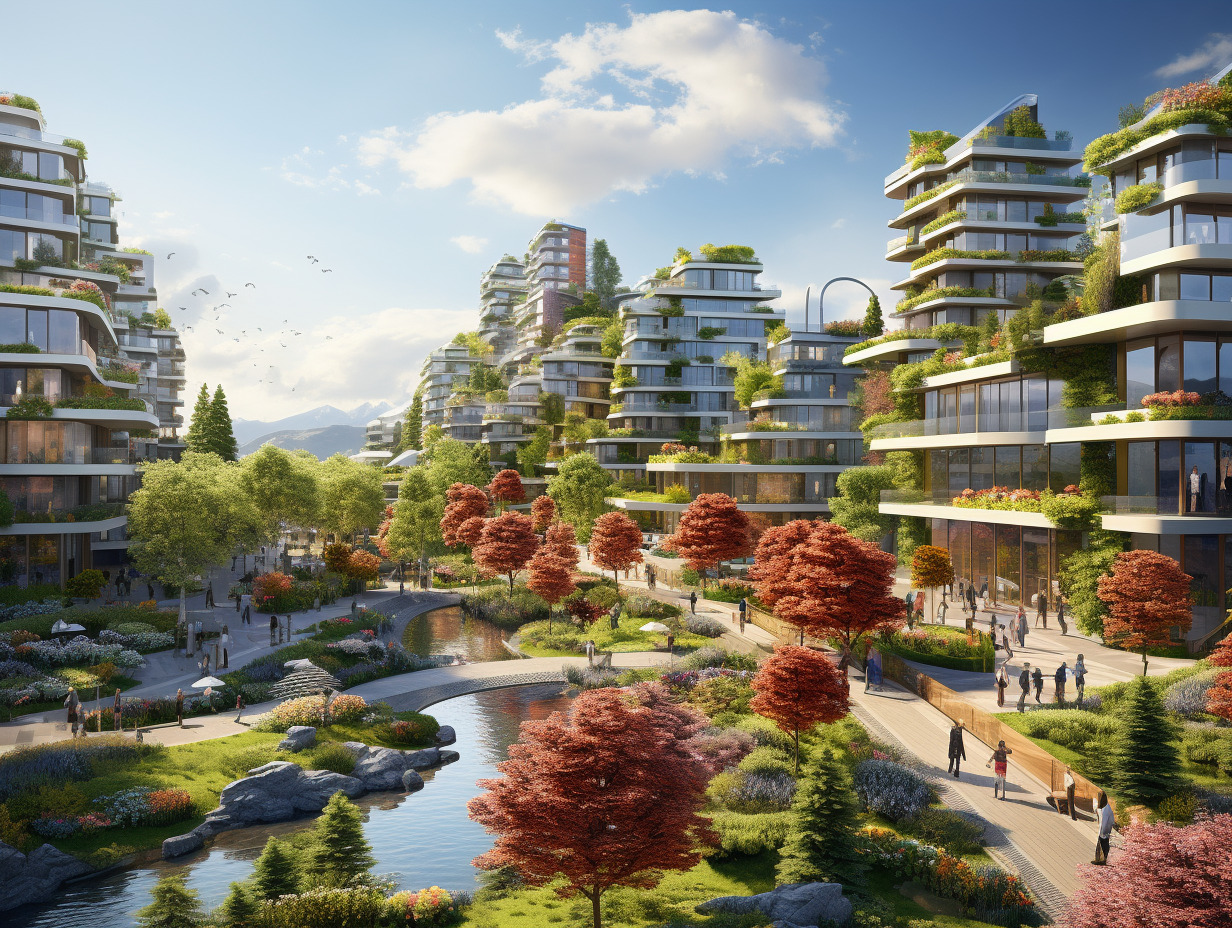
The challenges of real estate in the face of an aging population and migratory movements
The aging population, accelerated by the retirement of baby boomer generations, generates direct repercussions on housing needs. Residences adapted for seniors, including services and enhanced accessibility, are becoming leading real estate projects. It is important to consider that these facilities must meet specific criteria, ranging from space ergonomics to proximity to care centers, thus transforming the nature of the real estate offer.
Migratory movements, both internal and international, also leave their mark on housing demand. Population flows are directed toward dynamic economic and cultural hubs, such as the South and West of France, which experience strong real estate demand. Cities and regions attracting these new residents must anticipate this influx through proactive urban planning and an increase in their housing stock.
The North and North-East of France, facing slower demographic growth or even decline, encounter specific challenges. Managing the existing housing stock, often oversized relative to demand, and revitalizing the affected areas are central issues. These regions must find innovative strategies to repurpose and enhance their spaces to avoid devaluation and vacancy of housing.
The rental demand is also affected by aging and population movements. Preferences regarding location, type of housing, and associated services evolve, forcing the market to maintain constant vigilance and adapt its offerings. The responsiveness of real estate sector players to these demographic changes is crucial to ensure a balance between housing supply and demand and to maintain the economic and social vitality of the territories.