
A dog that pulls on the leash, another that destroys the sofa in your absence, a puppy that refuses to come when called: these familiar situations often reveal a gap between the animal’s real needs and what its owner offers on a daily basis. Understanding the world of dogs means first accepting that each breed, each individual, has specific requirements in terms of activity, diet, and living environment.
Temperament and lineage: what breed doesn’t always tell you
Have you ever noticed that two dogs of the same breed can behave very differently? An Australian shepherd from a working line will not have the same needs as an Australian shepherd born in a pet-oriented breeding.
Breed provides a tendency, not a guarantee. A Labrador is known to be sociable, but a poorly socialized Labrador between three and twelve weeks can become fearful or reactive. Temperament depends as much on genetics as on early education.
Before choosing a companion, you need to go beyond the descriptive sheet. Ask the breeder about the behavioral characteristics of the parents. Observe how the puppies interact with each other. A puppy that stays withdrawn is not necessarily calm: it may be inhibited, which requires specific support.
To deepen your research on different breeds and their well-being, you will find useful resources about AlmAnimal, which addresses these topics from various angles.
Dog nutrition: adapting the bowl to the animal, not the other way around
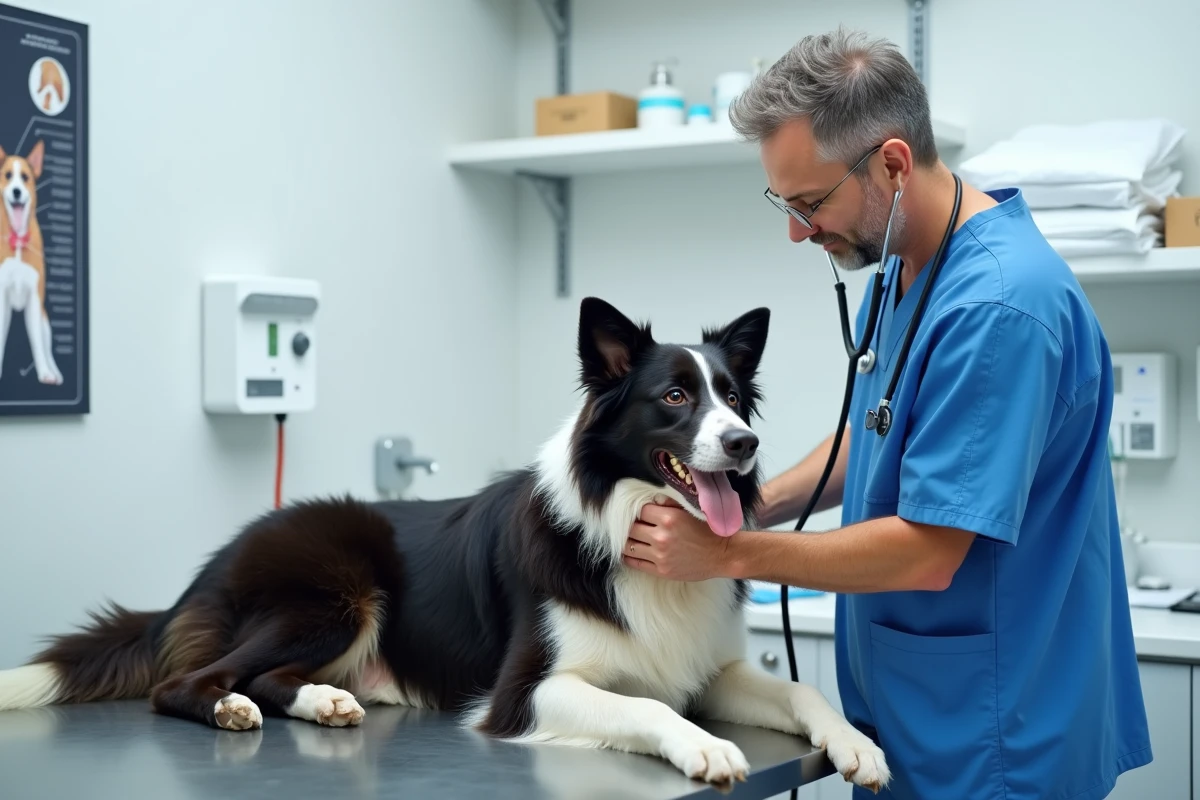
Many owners choose food based on price or advertising. The problem is that food suitable for a small sedentary dog is not appropriate for a herding dog that runs several hours a day.
The ration must correspond to the age, weight, and activity level. A growing puppy needs a different intake of calcium and protein than an adult dog. A neutered dog sees its metabolism slow down, which often requires reducing the quantity or changing the composition.
Three concrete indicators to assess the quality of food:
- Animal proteins are listed first in the ingredient list, not grains or plant by-products.
- The ash content remains moderate, indicating better quality of the raw materials used.
- The food contains no added sugars or colorants, which do not provide any nutritional value.
BARF (raw feeding) is increasingly appealing to owners. This approach can suit some dogs, but it requires precise knowledge of nutritional balances. A poorly formulated raw diet can lead to deficiencies in a few months. Before making the switch, consult a veterinary nutritionist.
Dog health: signals that owners overlook
A dog does not verbalize its pain. It compensates, changes its posture, eats less, or sleeps more. These signals often go unnoticed until the problem becomes visible.
A sudden change in behavior always warrants a veterinary consultation. A usually playful dog that refuses to jump may be suffering from joint pain. A dog that drinks much more than usual may have a renal or hormonal disorder.
Prevention remains the most effective lever. Vaccinations protect against serious diseases like parvovirus or leptospirosis. Parasite treatment (fleas, ticks, worms) must be adapted to the season and lifestyle: a dog that frequents woods or wet areas is more exposed than an urban dog.
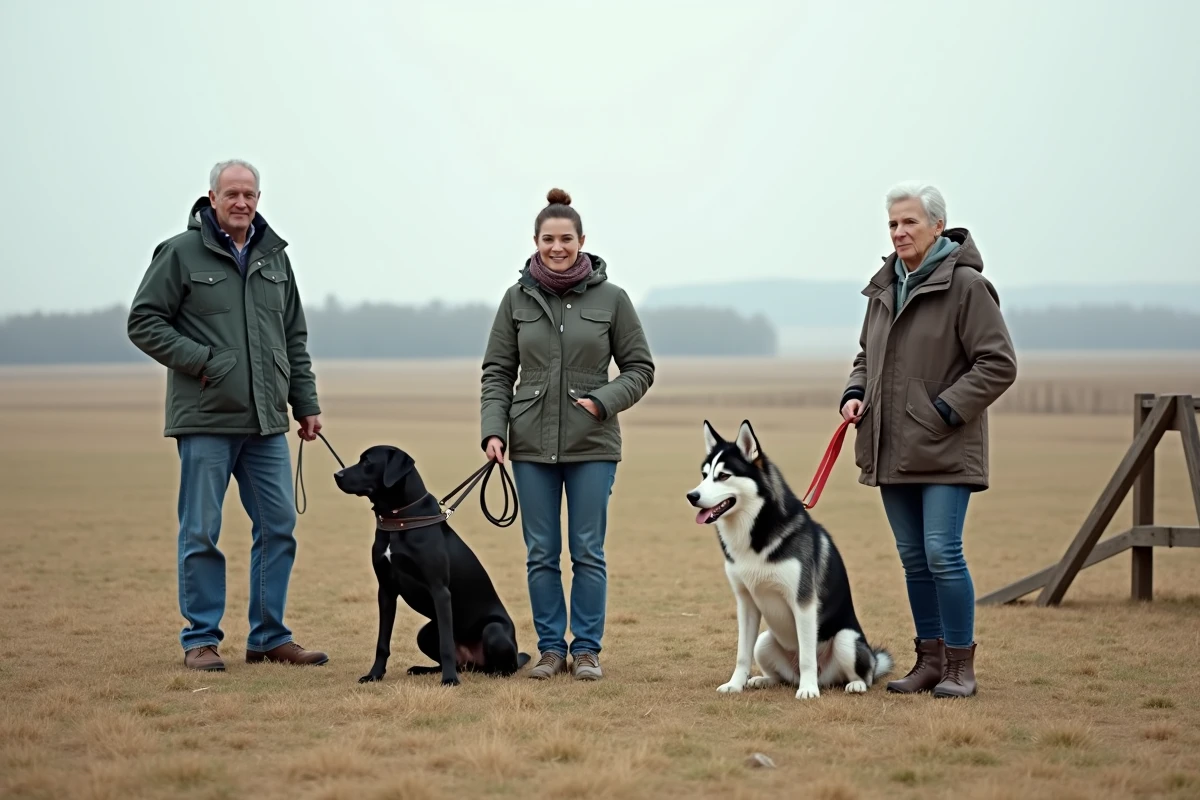
Breeds with short muzzles (French Bulldog, Pug) have respiratory vulnerabilities related to their morphology. Large breeds (Great Dane, Newfoundland) are more concerned with joint and heart problems. Knowing the breed’s predispositions allows for anticipating care.
Dog training: consistency and timing above all
Training is not just about learning “sit” and “down.” It structures the relationship between the dog and its family. A dog that understands what is expected of it is a more relaxed dog.
The basic principle can be summed up in one sentence: reward the desired behavior within two seconds. Beyond that, the dog no longer makes the connection between its action and the reward. A treat given ten seconds after a successful recall teaches nothing.
Consistency matters as much as the method. If one family member allows the dog on the couch while another forbids it, the dog is not disobeying: it does not understand the rule. Before consulting a dog trainer, agree as a family on the boundaries.
- Define the keywords (recall, prohibition, validation) and always use the same terms, no synonyms.
- Reward good behaviors rather than punishing bad ones: the dog learns faster what “works” for it.
- Adapt the duration of the sessions to your dog’s attention span, often just a few minutes for a puppy.
Hiring a professional dog trainer can resolve situations that have been established for months. Prefer a professional who works with positive reinforcement and observes your dog in its usual environment, not just in a neutral setting.
Everyday well-being: beyond the walk
Walking your dog twice a day is not always enough. Some breeds, especially herding and hunting dogs, need mental stimulation as much as physical exercise.
Search games (hiding treats in the house, using a sniffing mat) tire a dog as effectively as a long walk. Mental fatigue is often more calming than physical fatigue.
Rest also matters. An adult dog sleeps on average a large part of the day. A noisy or constantly busy environment can generate chronic stress that the dog expresses through hyperactivity or destruction.
Choosing a dog that matches your lifestyle remains the best decision you can make. A comprehensive guide on breeds, health, and nutrition does not replace the attentive observation of your own animal, day after day. It is this regular attention that makes the difference between a dog that survives in a household and a companion that thrives there.